Mold Restoration in Essex County, NJ
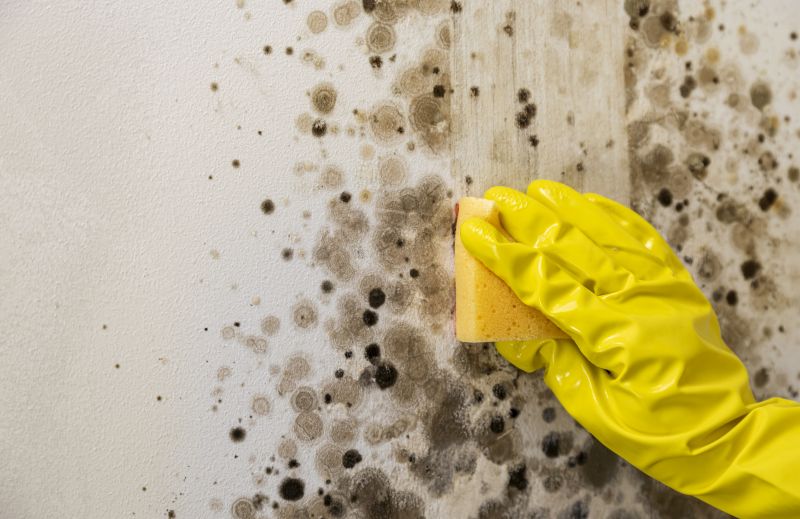
Mold restoration services focus on removing mold growth from residential properties and restoring affected areas to a clean and healthy condition. These projects typically involve identifying the source of moisture that caused mold development, removing contaminated materials such as drywall or carpeting, and thoroughly cleaning surfaces to prevent future growth. Homeowners may request mold restoration after discovering visible mold, experiencing musty odors, or noticing health symptoms linked to mold exposure. The process aims to eliminate mold spores and restore indoor air quality, helping to protect both property value and occupant health.
Before requesting mold restoration, property owners should understand the extent of the mold problem, including whether it is confined to specific areas or widespread throughout the property. It is also important to consider the potential underlying causes, such as leaks or high humidity levels, that need addressing to prevent recurrence. Clear communication about the scope of visible mold, moisture sources, and any related property damage can help ensure an effective restoration process. Proper assessment and planning are essential for restoring a safe and healthy living environment.
Many property owners in Essex County, NJ look into Mold Restoration for repairs, replacements, upgrades, and appearance-related improvements.
Mold Damage Prevention
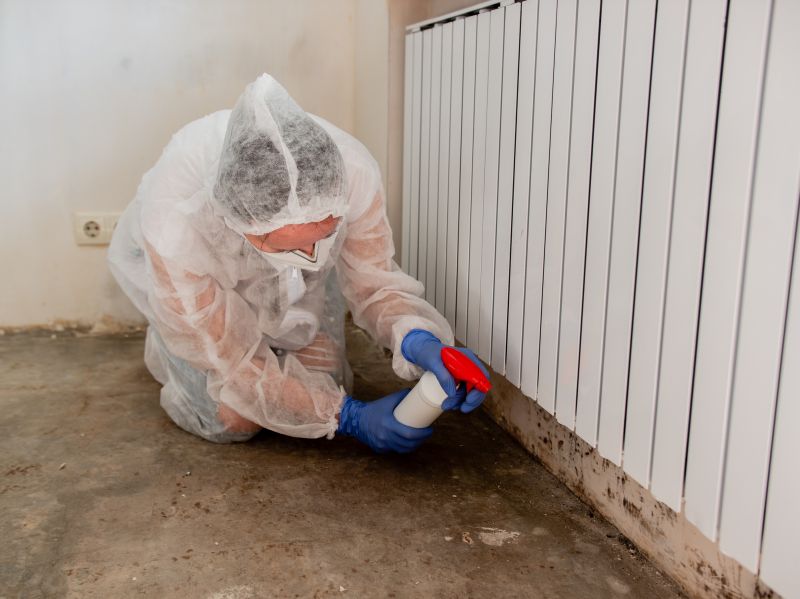
Addressing mold growth early helps protect your property's health and integrity.
Restoration And Cleanup
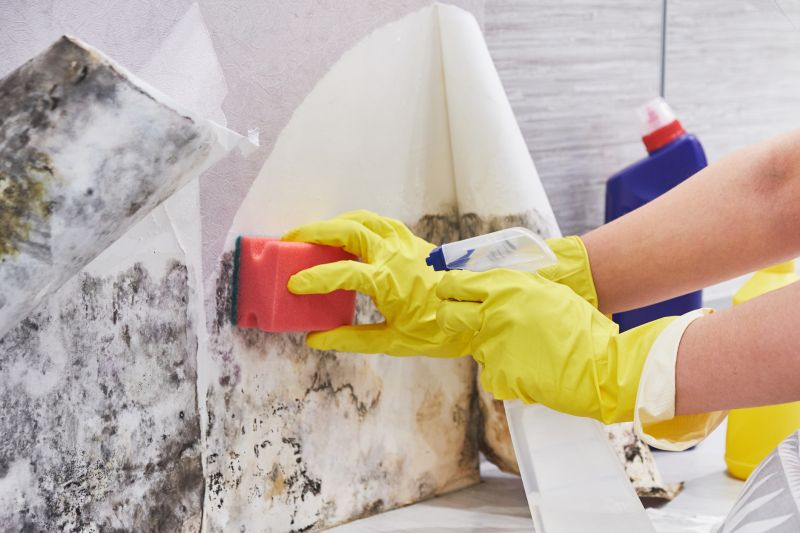
Comprehensive mold removal restores safety and improves indoor air quality in homes and businesses.
Water Damage Repair
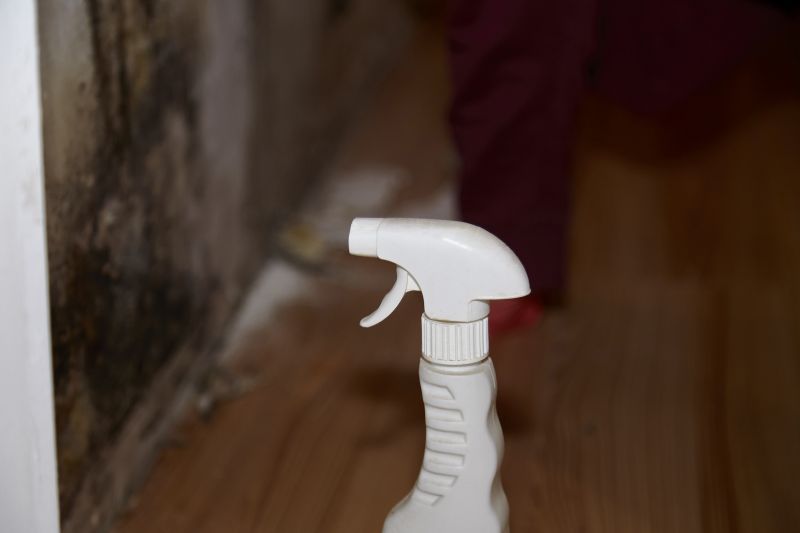
Proper drying and moisture control are essential to prevent future mold issues in essex county properties.
Mold Restoration in Essex County, NJ
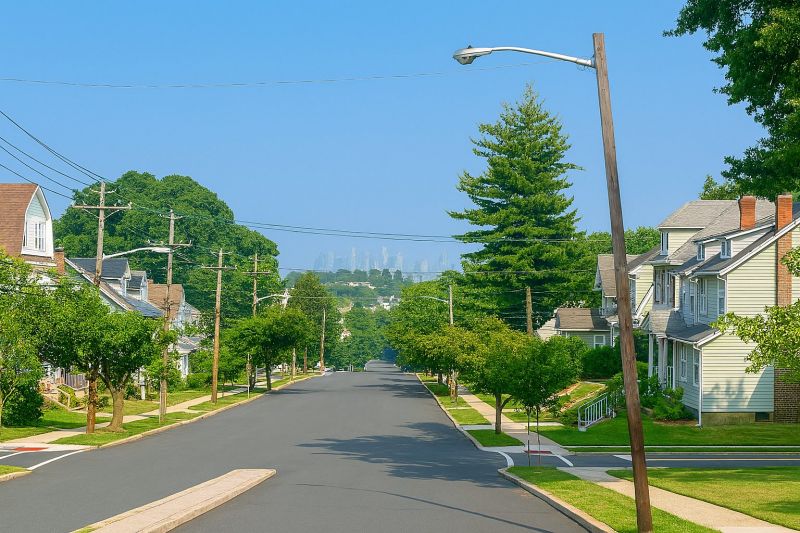
Mold restoration services focus on removing mold growth from residential properties and restoring affected areas to a clean and healthy condition. These projects typically involve identifying the source of moisture that caused mold development, removing contaminated materials such as drywall or carpeting, and thoroughly cleaning surfaces to prevent future growth. Homeowners may request mold restoration after discovering visible mold, experiencing musty odors, or noticing health symptoms linked to mold exposure. The process aims to eliminate mold spores and restore indoor air quality, helping to protect both property value and occupant health.
Before requesting mold restoration, property owners should understand the extent of the mold problem, including whether it is confined to specific areas or widespread throughout the property. It is also important to consider the potential underlying causes, such as leaks or high humidity levels, that need addressing to prevent recurrence. Clear communication about the scope of visible mold, moisture sources, and any related property damage can help ensure an effective restoration process. Proper assessment and planning are essential for restoring a safe and healthy living environment.
Many property owners in Essex County, NJ look into Mold Restoration for repairs, replacements, upgrades, and appearance-related improvements.
Common Mold Restoration Jobs
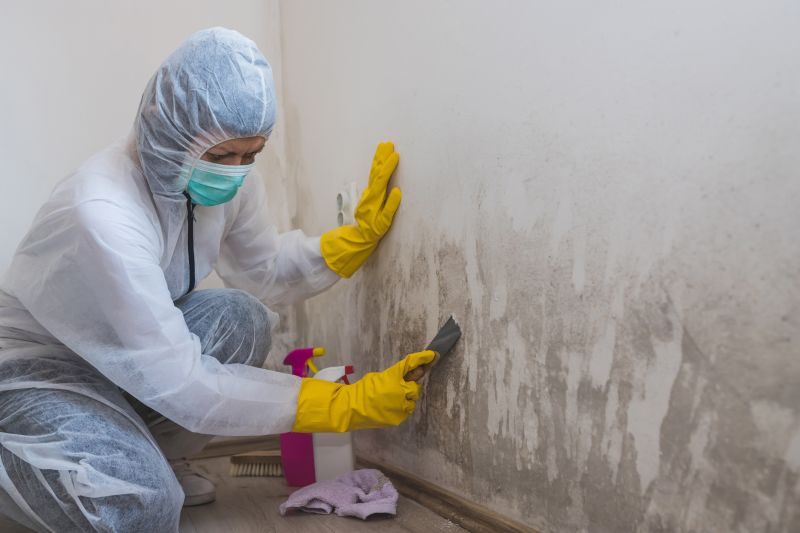
Mold remediation involves removing mold growth from affected areas to improve indoor air quality.
Water damage restoration addresses moisture issues that can lead to mold development in homes.
Mold prevention services focus on identifying and eliminating sources of moisture to prevent future mold growth.
Structural drying involves thoroughly drying building materials after leaks or flooding to inhibit mold proliferation.
Attic and basement mold cleanup targets common problem areas prone to humidity and mold buildup.
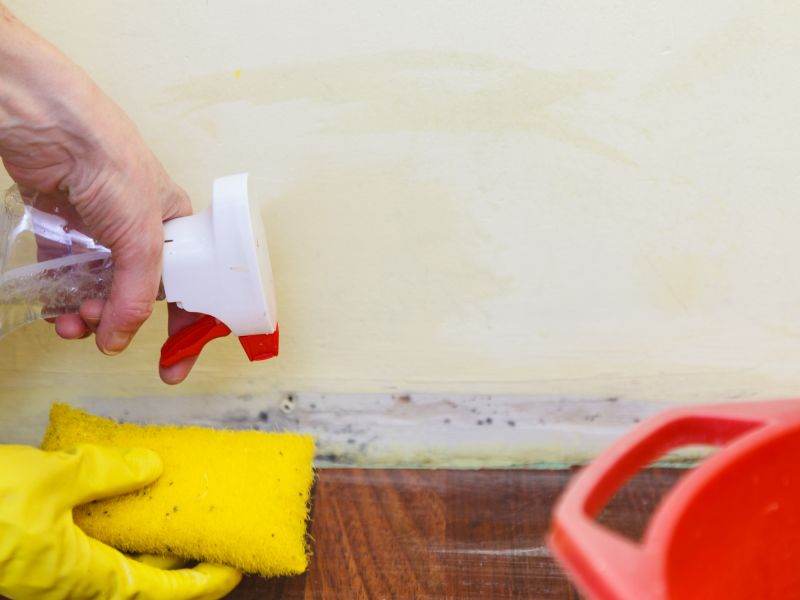
Surface mold removal includes treating walls, ceilings, and other surfaces affected by mold spores.
Mold Restoration Questions
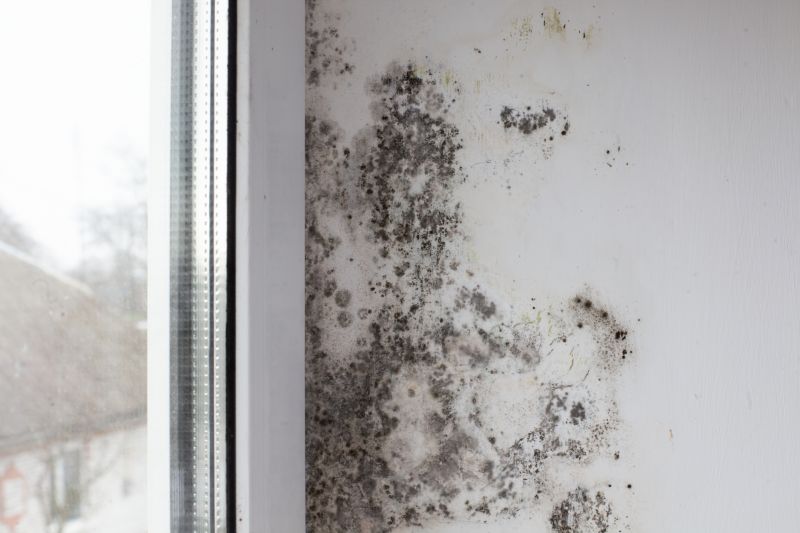
What are common signs of mold growth in a property? Visible discoloration, musty odors, and recurring allergy symptoms are typical indicators of mold presence.
Is mold restoration necessary after water damage? Yes, mold can develop quickly after water exposure, making restoration important to prevent health issues and property damage.
What types of surfaces can be treated for mold? Mold can grow on walls, ceilings, flooring, and other porous and non-porous surfaces requiring targeted removal.
How can property owners prevent mold growth? Controlling moisture levels, fixing leaks promptly, and ensuring proper ventilation help reduce the risk of mold development.
Request Mold Restoration in Essex County, NJ
Use the quote form on this page to share the basics of your project and request more information for the type of work you need.